When browsing the internet or accessing online services, your internet protocol (IP) address acts as your digital identity. It not only allows devices to communicate with each other but also serves as a critical factor in determining your online reputation. An IP address reputation refers to the assessment of an IP address based on its historical behavior, such as its association with spamming, malicious activities, or other illicit behaviors. In today’s digital landscape full of cyber threats, understanding and managing IP address reputations have become crucial for individuals, businesses, and organizations alike.
IP address reputation plays a significant role in various aspects of online interactions. From email deliverability and login security to website access control and network safety measures, the reputation of an IP address helps in differentiating legitimate users from potential threats. Internet Service Providers (ISPs), email service providers, and website administrators frequently utilize reputation systems to identify and block potentially harmful traffic or individuals. By analyzing an IP address’s reputation, organizations can implement effective security measures, prevent fraud, reduce spam, and protect their online resources from malicious entities. However, IP address reputation is a dynamic concept, subject to change over time, and requires careful monitoring and management to ensure a positive online presence and enhanced cybersecurity.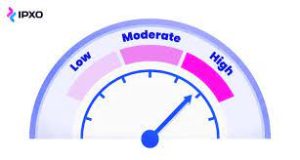
IP Reputation Check
An IP reputation check is a process used to assess the credibility and trustworthiness of an IP address. It helps determine whether an IP address has been engaged in malicious activities, such as spamming, hacking, or distributing malware. By analyzing various factors such as previous behavior and history, a reputation score is assigned to the IP address which indicates the level of risk associated with it.
Having a good IP reputation is crucial for businesses to ensure their emails reach the intended recipients’ inboxes and to maintain a positive online presence. With the growing prevalence of cyber threats, organizations are increasingly relying on IP reputation checks to protect themselves from potential risks. By regularly monitoring and taking necessary actions based on the results of IP reputation checks, businesses can safeguard their online infrastructure and reputation.
In conclusion, the reputation of an IP address is an essential aspect of online security and trustworthiness. It helps distinguish between legitimate users and potential threats, allowing organizations to implement effective security measures and protect their online resources. By regularly monitoring and managing IP address reputations, businesses can ensure a positive online presence and enhanced cybersecurity. Conducting IP reputation checks is a crucial step in assessing the credibility and trustworthiness of an IP address, helping organizations maintain a positive online presence and protect themselves from potential risks. With the increasing prevalence of cyber threats, businesses must prioritize the management of IP address reputations to safeguard their online infrastructure and maintain the trust of their customers and partners.
Leave a Reply